Epic Fantasy
The Licanius Trilogy Review: The Best Handling of Time Manipulation in Any Medium
Why a pure fantasy trilogy is on this site
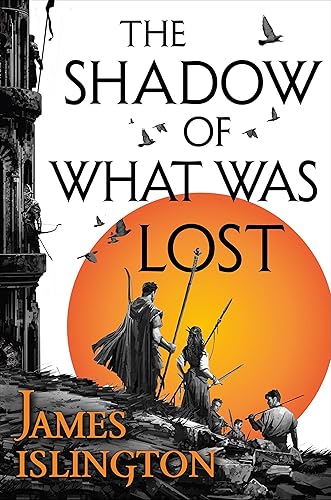
The Licanius Trilogy by James Islington is not LitRPG, not progression fantasy, not isekai. It's here anyway, because it's one of the best fantasy works I've ever listened to, and because most people who wandered from fantasy into this genre either already love it or somehow missed it entirely. If you're in the second group, consider this review me grabbing you by the shoulders.
The single hardest thing in storytelling, nailed
Here's my claim, and I've made a version of it before in my Perfect Run review: time manipulation is the most dangerous element an author can touch. Most who try it crash and burn; the rest leave plot holes that widen the longer you think about them. Across every book, show, and movie I've encountered, the Licanius Trilogy handles time travel and time manipulation the best. Not among the best. The best.
It works because Islington plainly knew his whole story before he wrote a word of it. The time mechanics run on rigid rules. Every detail you're given matters and gets incorporated later; there's no extraneous information, and the manipulation is never a convenient escape hatch for a writer out of ideas. The trilogy builds to one of the best endings I've experienced, an absolute stuck landing, with genuine surprises along the way that no fantasy trope prepared me for. When I say there is nothing I would change about this series, understand that I hand that compliment out maybe once a year.
What you're signing up for
Serious, gritty, adult fantasy, no humor to speak of, with a main character carrying memory gaps and a prologue that hooks you inside minutes; no slow farm-boy origin here, the pacing is tight from page one across all three books. And the audio is in the safest possible hands: Michael Kramer, the voice most of us know from the Sanderson catalog, whose deep gravity fits this story perfectly.
A confession about how I almost missed it: when I picked this up years ago, I'd seen almost no buzz, didn't know the author, and had long since learned that towering Amazon ratings guarantee nothing; there are hugely rated authors, Joe Abercrombie for one, whose work I simply don't enjoy. I went in braced for disappointment and got blown away. It's the rare case where the stars undersell the book.
Verdict
Absolutely worth the credit. S-high, promoted after I audited my own grades and couldn't defend mid. A complete trilogy, not a single wasted page, the best time-travel construction in any medium I know, and an ending that pays for everything. I'll go further and admit there's a real argument for peak: nothing I've read or watched has ever closed a time-travel loop this perfectly, and I can't name a bad aspect of the trilogy. What stops me is the company. The S-peaks are so singular at what they do that ranking this against them feels like comparing champions across different sports, so S-high is where I can plant the flag with confidence. If you want a break from stat sheets and you like your fantasy gritty, this is the strongest pure-fantasy recommendation this site will ever make.
Reading order
Books in publication order. Cover links go to Amazon, affiliate-tagged, so you get the book and I get a small cut.


If you liked this, try…
Content notes
Dark and serious throughout. War, violence, significant character deaths. No humor to offset the tone. This is gritty fantasy that means it.
Frequently asked questions
Why is this on a progression fantasy site?
Is the time manipulation really as good as the review claims?
Is this a good entry point for LitRPG readers trying traditional fantasy?
Is the series finished?
Read next
Worth the Credit verdicts (B-tier and above). Scroll the carousel for more.