LitRPG
Unbound Review: A Series That Nearly Earns Its Tier, Until It Doesn't

The tier tells a story
Read the tier on this one carefully, because B-mid is not what this series was for most of its run. For ten books, Unbound sat in my A-high, above Path of Ascension, a release-day purchase every time. Then came the second-to-last book, and I demoted it harder than I've demoted anything on this site. The finale, Ruin, is out as I write this and I haven't listened yet; this review gets updated when I do, and I suspect I'll have strong opinions in one direction or the other. Here's the whole journey.
What made it A-high for ten books
Unbound follows Felix Nevarre, transported from Earth to another world; whether he died or was simply moved is left open, and he thinks about Earth more than most isekai leads do. Felix is cut from the Zac-of-Defiance cloth, the fundamentally decent guy, but Nicoli Gonnella puts real work into making you feel it: Felix's care for his people comes through in the interpersonal writing rather than being announced, and the party around him is one of the better-developed supporting casts in the genre. That matters, because Felix is a thoroughly overpowered protagonist, a trope I happen to like, and OP leads usually eclipse their parties. Here the party can't match his power and contributes meaningfully anyway, in every arc. If you don't enjoy an overpowered main character, this isn't your series; if you do, this is one of the good ones.
The world is interesting, the villains act from real motivations, the books are enormous, and Gonnella never uses length to shortchange you: if the crunch adds five hours, the book just runs five hours longer, with the plot progression intact. And I'll hand him an award no other author on this site gets: the best ability and title names in LitRPG. Powers that start as boring resistances evolve names that are just flat-out awesome. It sounds like a small thing. Across eleven long books, it isn't.
The sheet that ate the series
Now the structural flaw. Somewhere in book one, someone remarks on how many skills a normal person has, and Felix is already hiding his surplus; he has around 35 abilities by early book two. Extrapolate that across a decade of books and you get a character sheet that escaped its author. By the later books, a big rank-up means tempering multiple aspects, with three visions per aspect, so you're sitting through nine visions before you even reach the ability upgrades, the synergy theory-crafting, and the mid-combat title cascades. One of the later books opens with roughly a full hour of Felix's post-battle upgrades, and when he's finally done, his five or six party members take their turns, which together run as long as his. It's never pointless page-filling, and that's what makes it hard to condemn cleanly. But it's exhausting.
The trap is you can't just skip it, because Gonnella hides real lore in there: hints about the edicts governing the gods, fragments of the world's previous histories, and some of the best interpersonal beats when Felix helps his friends through their cores. So here's my field-tested advice: don't skip, bump your playback to 1.25x when a rank-up arc starts, and drop it back when the story resumes. You keep the context and lose twenty minutes of tedium.
One smaller gripe while I'm listing them: the girls-have-cooties writing. Felix arrives as a functional adult, an ordinary guy with an ordinary life behind him, and yet he spends far too many books unable to talk to the women in his own party without short-circuiting. Awkwardness makes sense for a character whose backstory earned it. Felix's didn't, and when a man who is a step short of a king still can't hold a conversation with a close friend because she's a woman, it stops reading as endearing and starts reading as a tic the genre inherited from anime and can't put down.
The book that broke it
Everything above is quality-with-caveats, A-tier material. Then Chains happened.
Ten books built toward Felix confronting the Paragon, his antagonist for the entire series, with the Ruin, the true world-ending threat, waiting behind her. That's the payoff structure. And I understand the author's problem: Felix had grown so powerful that a straight fight carried no tension. But there are honest solutions to that, empower the villain, produce the forbidden relic, escalate the board, and Chains chooses the dishonest one: it neuters Felix. He walks into a trap that strips what he's spent ten books building, gets out-thought, out-maneuvered, and out-powered in every phase, and survives on a miracle sliver of willpower at the last moment. The one big battle the series owed us delivers none of what it promised. I wanted to turn the book off once I saw the shape of it, and I'm the guy who finished Disgardium's eleventh book on stubbornness alone.
What makes it worse is the logic it wrecks: the gods fear the Ruin because they can't fight it, only hide from it, and Felix is supposed to be the answer. Watching him barely survive the Paragon, and then watching events summon the Ruin anyway, doesn't build stakes. It builds disbelief. If this were the series midpoint it might be survivable. As the setup for the finale, doing this to your main character is criminal, and it's why the series fell from A-high to B-mid in one book.
Verdict
Worth the credit, B-mid, pending sentencing. The narration is a genuine bright spot throughout: Travis Baldree, all eleven books, at his best. If you love crunch, add confidence; if the Defiance of the Fall school of character-sheet maximalism appeals to you, Unbound delivers it with better ability names. And there's a real possibility this tier moves again: Ruin is reportedly a monster, around 35 listening hours, Sanderson-eclipsing territory, and if Gonnella recovers the ball and gets it across the finish line, the demotion softens. If he doesn't, at least you'll know exactly which book to blame. Update coming once I've served my 35 hours.
Reading order
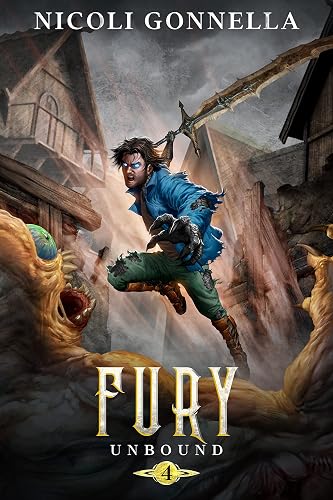
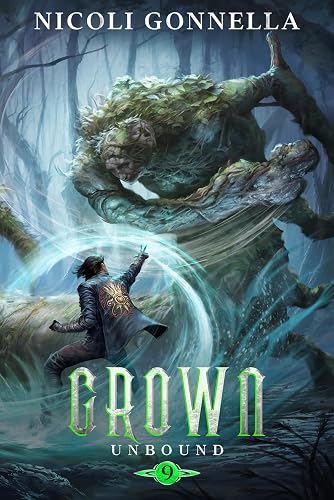
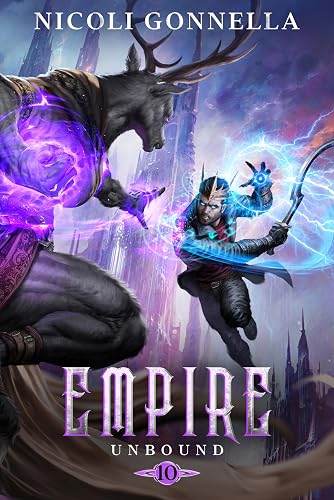
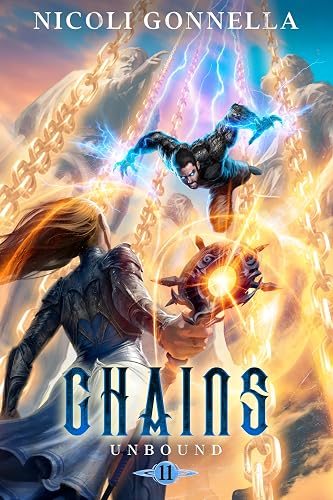
Books in publication order. Cover links go to Amazon, affiliate-tagged, so you get the book and I get a small cut.





If you liked this, try…
- Defiance of the Fall — TheFirstDefier (the closest structural comparable for overpowered MC and escalating cosmic stakes, but Felix is emotionally warmer than Zac)
- Path of Ascension — C. Mantis (similar tier-progression density; Unbound was the stronger series through Book 10)
Content notes
Ongoing combat violence throughout; the isekai premise involves Felix possibly having died on Earth (left ambiguous by the author). Standard genre-level darkness, nothing extreme.
Frequently asked questions
Is Unbound finished?
How crunchy is the system?
Should I read in order?
How does Felix compare to other isekai protagonists?
What happened with Chains?
Is Book 12 better?
Read next
Worth the Credit verdicts (B-tier and above). Scroll the carousel for more.