Cultivation
Cradle Review: What Twelve Books Without Filler Looks Like

Genre-defining, and finished
Cradle is one of the peaks of this genre, and it holds a distinction most of my S shelf can't claim: it's complete, twelve books with a definitive ending that pays off everything it built. It was one of my early introductions to progression fantasy, back when the pickings were thinner and, frankly, when a mountain of Amazon reviews still meant something, before the bots and bought ratings made star counts the noise they are today. Whatever made me push through the slow opening back then, I'm grateful for it.
This is cultivation rather than traditional LitRPG: no character sheets, no level-up notifications, just martial artists strengthening their cores through stages with names. Wei Shi Lindon is born in a small mountain sect where a device reads each child's essence and assigns their role in life, and the device reads nothing in him. Unsouled: an outcast in the one way his people can't forgive.
The honest knock: book one starts slow
I've harped on fast origins in enough reviews that I owe you honesty here: the first half of Unsouled is a slow build. It's the era it was written in, when spending half a book on the character's home life and humiliations was just how fantasy origins were done, and I remember being a quarter in, no hint of where this was going, getting restless. Push through. Once the story picks up, it never stops picking up, and from book two onward the series moves plot-point to plot-point with an economy that most modern web serials, written seemingly without a destination, can't touch. Will Wight clearly knew his ending from early on, and it shows: twelve books, no filler book, very few wasted pages anywhere.
The other early-book friction is Lindon himself. He's timid, painfully deferential, over-polite to everyone including his enemies, and for a stretch of the early books he keeps acting like a scared kitten well after his power stops justifying it. It grated on me at the time. Here's the payoff I didn't see coming: Wight never abandons the trait, he matures it, and overpowered-Lindon still saying please and thank you to people he could erase becomes one of the most quietly charming things in the series. What starts as a flaw compounds into character.
The cast
Every great series in this genre has the larger-than-life character who steals every scene, and Cradle's is Eithan Arelius, cut from the same cloth as Primal Hunter's Malefic Viper: absurd, unaccountable, hilarious, and the engine of half the story's best moments. What elevates him above most versions of this archetype is that his story eventually makes complete sense of him, why he does what he does, why he cares about what he cares about, without dimming any of the shine.
Yerin, Lindon's sword-scarred companion, reminds me of Vin from Mistborn, and I don't hand that comparison out: a powerful female lead whose strength comes from her choices and what she's survived, never from the author bending the world to flatter her. And the pattern holds all the way down the roster: there are no weak characters in Cradle, not in the party, not in the villains, whose motivations hold up, not even in the bit parts. Everyone you spend page time with earns it.
One more thing Cradle pioneered that the genre quietly copied: the tinkerer protagonist. Lindon's Soulsmithing isn't a checkbox profession bolted on so the author can say he has one, and it isn't a grind the story disappears into either. It's load-bearing; a real share of his success traces back to it. Half the system-obsessed, mechanism-poking protagonists written since owe this series royalties.
The scaling
Cradle runs the entire gamut of power, from barely-more-than-human sect kids to beings who can erase worlds, and handles the climb better than almost anything I've listened to. Two things make it work. The fights stay legible at every altitude: when peak existences battle, you understand the stakes and mechanics as clearly as you did in the sect duels, and the same scene can render a mortal soldier's terror and a god-tier exchange without either feeling fake. And the world widens with the power: watching Lindon's martial-arts homeworld collide with other worlds' technology delivers some of the series' best juxtapositions. There are far fewer apex beings here than in Primal Hunter or Defiance of the Fall, and the restraint helps; everyone at the top feels accounted for.
The fans vs. me
The community's standing complaint, and I co-sign it as valid: the romance is slow-burn to the point of parody. It's background material, so readers who dislike romance can relax, but the pacing is strained enough to be its own problem: halfway through the series Lindon is worldly, hardened, and mature in every dimension of his life except this one, where he remains a child for no reason the story earns. When a character's growth is that uneven, it stops reading as endearing restraint and starts reading as authorial stalling. It never hurt my enjoyment much, I barely registered it while bingeing, but the people who raise it aren't wrong.
After the ending
The series proper closes with Waybound, and the ending gives you a real glimpse down the road of Lindon's life, rare closure in a genre allergic to endings. Then Wight went further with Threshold, a collection of stories filling in other characters' perspectives and, best of all, checking in on Lindon and his people in their current lives. It's deeply satisfying, exactly the high notes the main series hits, and if Wight wants to keep dropping these whenever he has spare writing time, I'll keep buying them same-day. More finished series should get this treatment.
Verdict
Absolutely worth the credit. S-peak. It's also one of the best first series in the genre: no stat screens to learn, a fast-moving plot once it ignites, and Travis Baldree narrating, which regular readers know is my shorthand for "the audio is handled." Fair warning that book one is understated; I've watched friends finish it, shrug at my gushing, and then get it completely by the end, so trust the trajectory. And when you're done, if you want something in the same weight class of tight storytelling with slightly more crunch, Phil Tucker's Bastion is my bridge recommendation. But start here. The whole genre has been standing on this series' shoulders for years.
Reading order
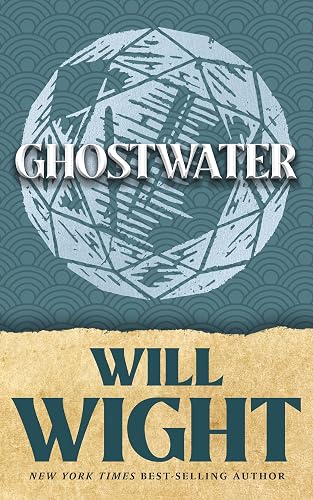
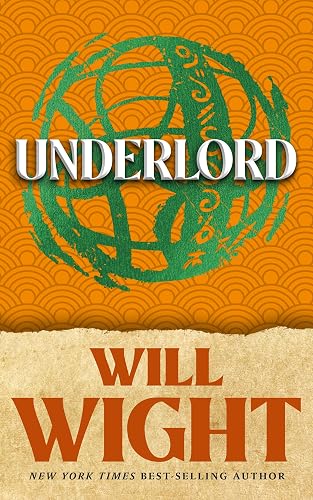
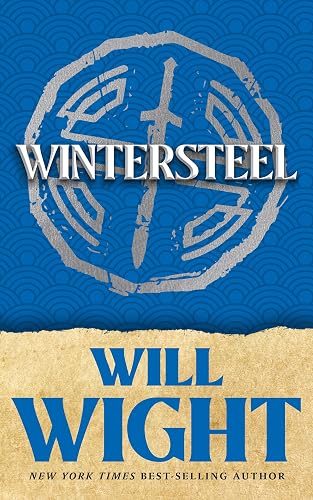
Books in publication order. Cover links go to Amazon, affiliate-tagged, so you get the book and I get a small cut.





If you liked this, try…
- Phil Tucker's Immortal Great Souls (beginning with Bastion) — tighter story, interesting characters, lighter on system crunch; the closest natural follow-on from a pacing and craft perspective
- He Who Fights with Monsters (Shirtaloon) — the long, opinionated, ongoing alternative; different register, comparable craft level
Content notes
Combat violence throughout. Slow-burn romance with no meaningful payoff until very late in the series.
Frequently asked questions
Is Cradle actually LitRPG?
Do I need to commit to all twelve books?
What does 'unsouled' mean?
What's Threshold, and do I need to read it?
How does Travis Baldree's narration here compare to his other work?
Read next
Worth the Credit verdicts (B-tier and above). Scroll the carousel for more.