LitRPG
Ultimate Level One Review: A First-Timer's Dungeon Dive Worth Rooting For

A different kind of C
Ultimate Level One gets C-peak from me, and this review comes with context I've never had for any other book on this site: after I'd already bounced off it, I ended up talking with the author on the forums, and that conversation changed how I frame this, though not the rating. Let me do the critique first and the context second.
Book one is rough. The origin is fast, which I always credit, but the characters are two-dimensional trope-fills, the development is thin, and the plot runs on contrivance: the protagonist's situation is supposed to be extremely rare and unusual, yet he promptly stumbles into the perfect party for it, who are completely accepting, and who, it turns out, conveniently have prior experience with exactly his rarity. Book two carries the same problems, and halfway through, my mind wandered off to a new release and never wandered back. C tier is where series land when I stop; that's the site's rule, and it holds here.
The conversation
Here's what I didn't know while listening: this was the author's first piece of writing, ever. Not his first published novel, his first writing project, self-published because he loved LitRPG and wanted to make his own, learning the craft in public as he went. And when the community critiqued the contrivances, he owned them, straightforwardly attributing the early books' problems to his own inexperience. I have enormous respect for both halves of that: the trying and the owning. Experienced authors with shelves of published work still commit half the sins in book one of this series; judging a first-timer by their standard, after he's already conceded the point, feels like punching down. It's also why this C is a peak C. The rating reflects my experience; the altitude within the tier reflects the circumstances.
The fans vs. me, and an open invitation
The series is genuinely popular, Amazon pushes it at me constantly, the review counts are big, and the consistent fan claim is that the writing improves markedly through the middle books, with the series hitting its stride around book four. Given the author's trajectory, I find that entirely believable. So here's a standing offer I don't make lightly: if you're a fan of this series and you know of a solid summary that would let me pick it up around where it finds its footing without being lost, email me. I couldn't push through the early books even knowing what I know, but I'd genuinely like to meet this author at his current skill level rather than his starting one, and if that happens, this rating gets revisited.
Verdict
C-peak, and I didn't continue, so by the site's own rules I can't call it worth the credit as reviewed. If you specifically crave deep dungeon-dive LitRPG, long crawls, constant skill-ups, earning every level alongside the character, this is a popular scratch for that itch, and Azarinth Healer is my pick for the same itch scratched better. And to the author, in the likely event this gets back to him: keep writing. The genre exists because people like you decided to try.
Reading order
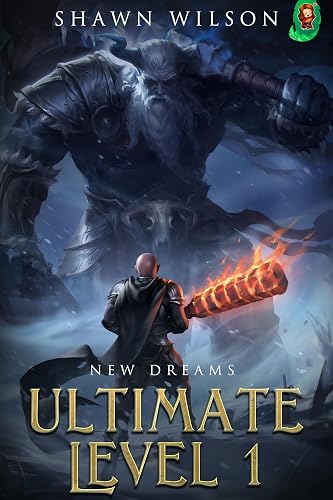
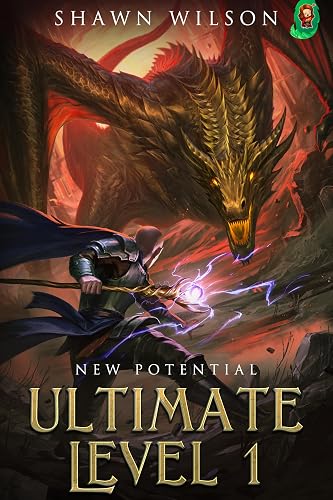
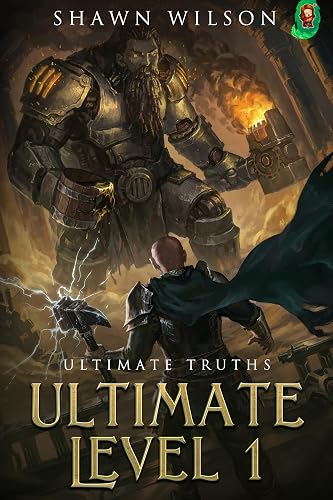
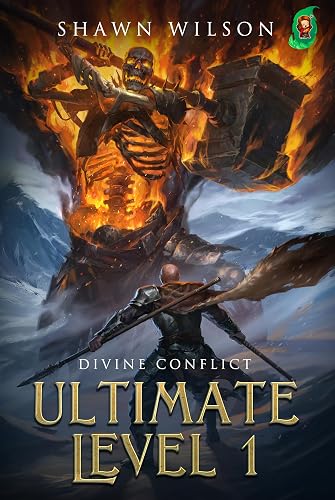
Books in publication order. Cover links go to Amazon, affiliate-tagged, so you get the book and I get a small cut.





If you liked this, try…
- Azarinth Healer — the better pick for dungeon-diving LitRPG with heavy combat and continuous skill-ups; executes the same loop with more consistent craft
- Defiance of the Fall — crunchy stats and relentless combat in a system apocalypse setting; different context, same appetite
Content notes
Combat-heavy throughout; persistent dungeon violence and monster-fighting across every book. No other content concerns flagged.
Frequently asked questions
Why C-peak if the early books were rough?
Does the series get better after Book 2?
What's a better pick if I want dungeon-diving LitRPG?
I love this series and know exactly where it gets good. Can I help?
Read next
Worth the Credit verdicts (B-tier and above). Scroll the carousel for more.