LitRPG
Salvos Review: A Cool Demon Protagonist Buried Under a Half-Book of Meaningless Grinding

The companion pan
This is the sibling review to my Amelia, the Level Zero Hero write-up: same author, same core problems, and after abandoning two V.A. Lewis series a book and a half in each, I can now say with confidence the mismatch is systemic. The style is the story here, so I'll recap it once: Lewis writes with almost no descriptive detail. Characters are a build and a hair color, maybe a mustache if they're lucky, and when big abilities fire off in big moments, there's no visual meat to give them gravity. The best way I can put it: everything reads like it's broadcasting in black and white while the rest of the genre is in color. Maybe that's a deliberate let-the-reader-fill-it-in technique; maybe it's an alibi. Either way I couldn't live in it.
The bug grind
Salvos at least has a great character template: the protagonist is a demon, born in the survival-of-the-fittest spawning pits where newborns devour each other until one accumulates enough intelligence to become self-aware. Cool premise. The problem is the execution: well over half of book one is Salvos alone, a bug-like creature grinding low-level kills in the starter region, narrated entirely through an inner monologue she barely has yet. No stakes, no relationships, no consequences; the grinding doesn't even pay off later with a unique title or an outsized foundation. She leaves the pits an average demon among demons. Characters in total isolation are the hardest thing in the genre to make interesting, a few books pull off the solo dive, and this is not one of them. The one bright spot is the fellow demon she befriends and protects along the way, which at least gives her someone to talk to.
The actual engine of the story, when it finally arrives past the halfway point, maybe three-quarters, is fine: a rift opens during a confrontation with a greater demon, Salvos lands in the human world, and an average demon turns out to be terrifyingly overpowered by human standards, which explains the stigmas, the fear, and the binding rituals around summoning. Mechanically that's a perfectly reasonable chassis for an OP-protagonist story. It just arrives a full book too late, wrapped in characters who, as with all the Lewis I've read, are archetypes filling formula slots rather than people.
Verdict
Not worth the credit. D. But since this series has a real fanbase and book one rotates onto Audible's free-listen catalog regularly, here's my honest field guide if curiosity wins: listen to the first chapter or two for the premise and the style check, then skip, without guilt, to the confrontation that tears the rift, or straight to her arrival in the human world. You'll re-hear every ability description when she uses them anyway. Nothing before that point matters, and only after it does the story turn even marginally interesting. If the style doesn't bother you, welcome to the fanbase; it just isn't me.
Reading order
Books in publication order. Cover links go to Amazon, affiliate-tagged, so you get the book and I get a small cut.

Curious Beginnings

A Demon's Pride

The Plaguelands
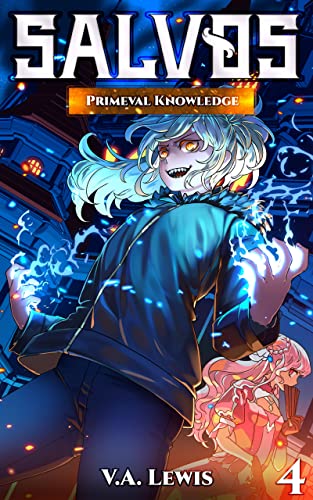
Primeval Knowledge

Corruption and Centinels

Grand Skill

Wretched Insect

The Treasures of Alexander

Hellprinces

Revelation

Beast
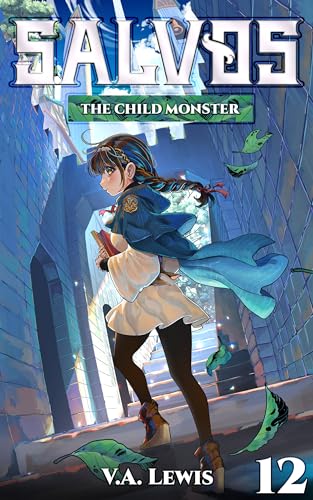
The Child Monster
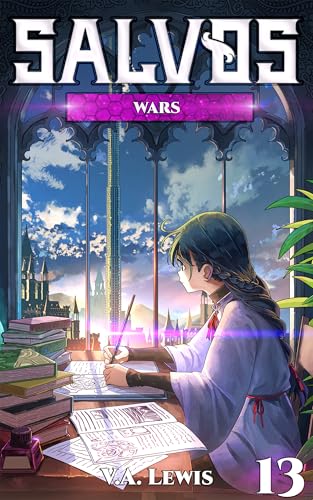
Wars
Sacrifices (Kindle ahead of audio)
If you liked this, try…
- Amelia the Level Zero Hero — same author, same writing style issues; read that review first for the full breakdown of what V.A. Lewis's work does and doesn't do
Content notes
Demon-on-demon violence during the origin section. Monster evolution premise involves consuming other beings.
Frequently asked questions
Does it get better after the demon realm section?
Can I skip the grinding section?
Is this worth trying if I've already read Amelia the Level Zero Hero?
How much of this did you hear?
Does the series have a following?
Read next
Worth the Credit verdicts (B-tier and above). Scroll the carousel for more.